REFERENCE PROJECTS
Digestate treatment.
Digestate often decides the economics of a biogas plant. As independent engineers, we design the treatment system, then select and manage the suppliers who build it, from reverse osmosis and MVR evaporation to drying and pelletising. The result is clean water and marketable fertiliser instead of a disposal cost.
REFERENCE PROJECTS
Proven at scale, now applied to new projects.
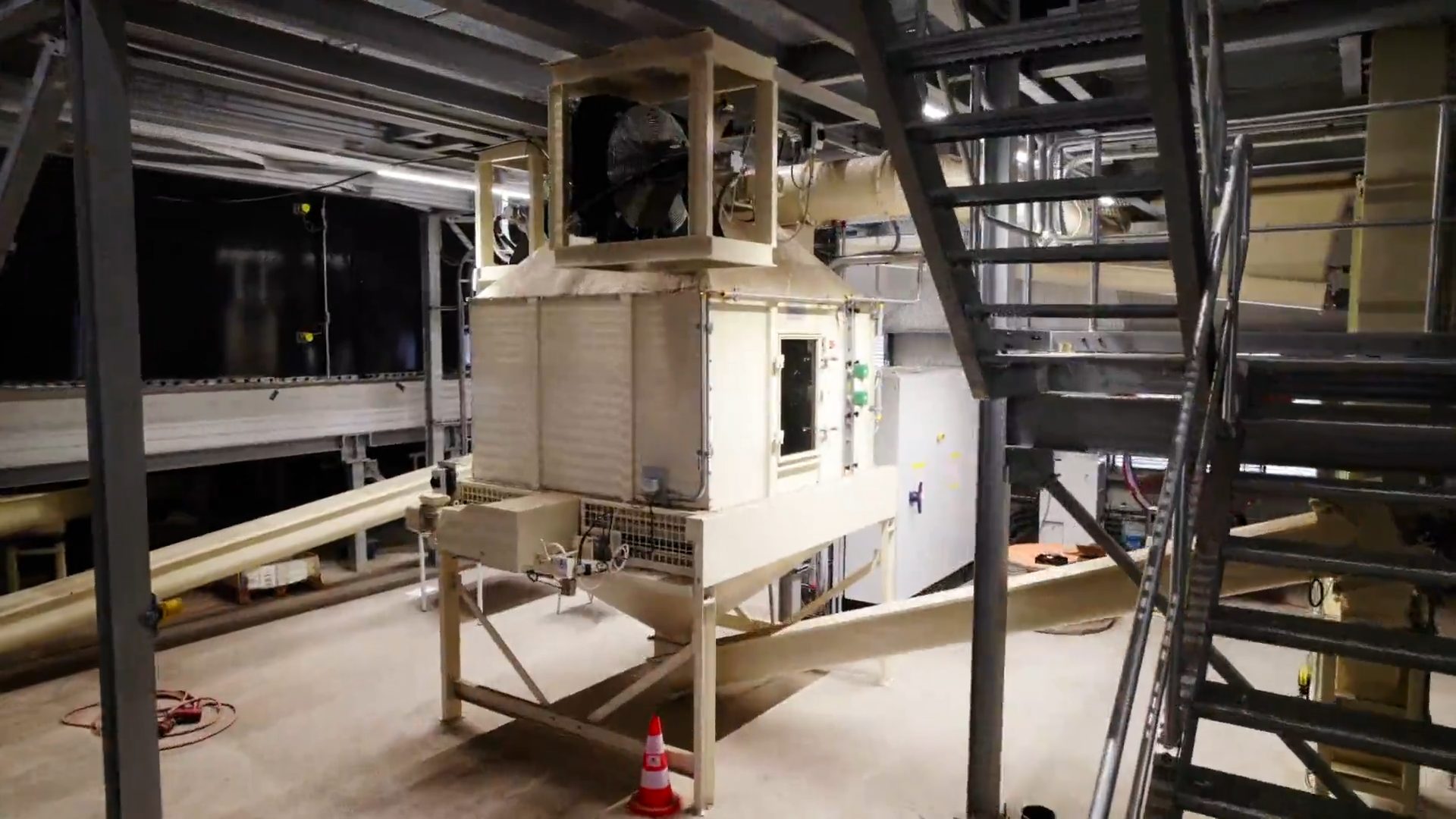
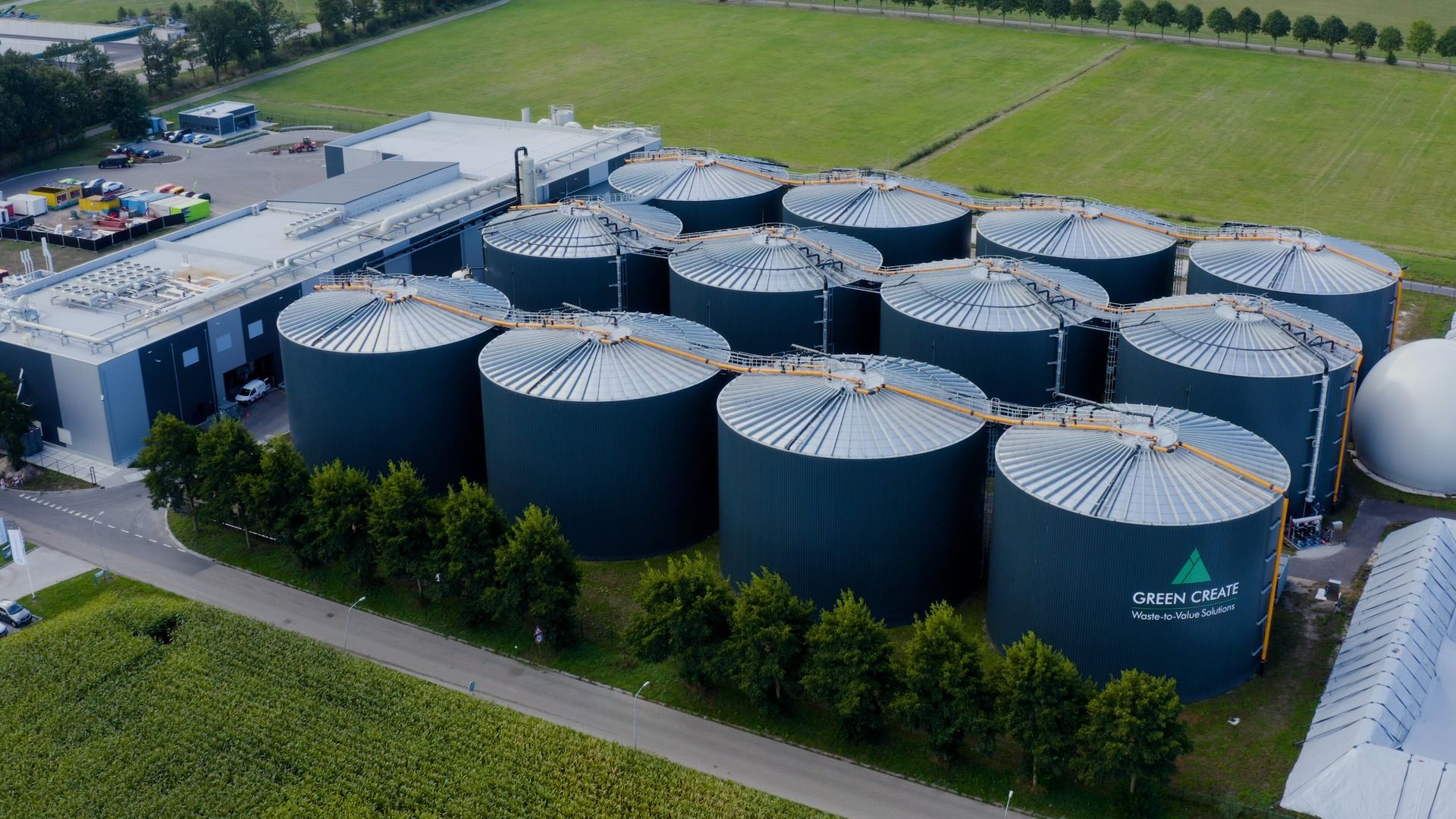
Drying and pelletising plant, Wijster
The Netherlands
At Wijster, our team built a drying and pelletising plant that converts solid digestate from poultry manure into fertiliser pellets for sale, alongside ammonia stripping that recovers more than 2,000 tonnes of ammonia a year.
Scope Engineering / Construction / Operations
Reverse osmosis for liquid digestate
The Netherlands
For an operating manure digestion facility, Cirvanta acts as owner’s engineer for a new reverse osmosis installation that treats the liquid digestate, defining the scope and managing the interfaces between the tank, process and building contractors through to commissioning.
Scope FEL 3 (FEED) / Process engineering / Owner’s engineering
Digestate treatment design
United States of America
In the US, fertiliser sales drive a large share of an anaerobic digestion project’s returns. For greenfield projects at FEL 3, we design digestate treatment to capture the full nutrient value of the feedstock and direct each product to its best-paying market.
Scope FEL 3 (FEED) / Process engineering
Owner’s engineering for digestate treatment
The Netherlands
For a further Dutch project, Cirvanta supports the owner as owner’s engineer on the digestate treatment scope, protecting the client’s interests through design, procurement and construction.
Scope Owner’s engineering
THE TREATMENT TRAIN
Every fraction has a destination.
1. Separation
Screw presses or decanters split digestate into a solid fraction rich in phosphorus and organic matter, and a liquid fraction rich in nitrogen and potassium.
2. Liquid fraction: stripping and membranes
Ammonia stripping recovers nitrogen as a saleable product, and membrane filtration, including reverse osmosis, separates clean water from a nutrient concentrate.
3. Evaporation with MVR
Mechanical vapour recompression (MVR) evaporators concentrate the liquid fraction while recycling their own steam, producing a nutrient-rich concentrate and clean condensate at a fraction of the energy of conventional evaporation.
4. Solid fraction: drying and pelletising
Heat from the plant dries the solid fraction into stable, transportable fertiliser pellets that can be sold well beyond the local area.
HOW WE HELP
From concept to a working nutrient business.
Process Engineering (FEL 0–3)
Mass and nutrient balances, technology selection and detailed design for separation, stripping, membrane, MVR evaporation and drying systems.
Owner’s engineering
Independent oversight of vendors and contractors, interface management and commissioning support for digestate treatment packages.
Operations support
Optimising existing digestate lines for uptime, energy use and product quality, based on our own operating experience.
PROJECT GALLERY
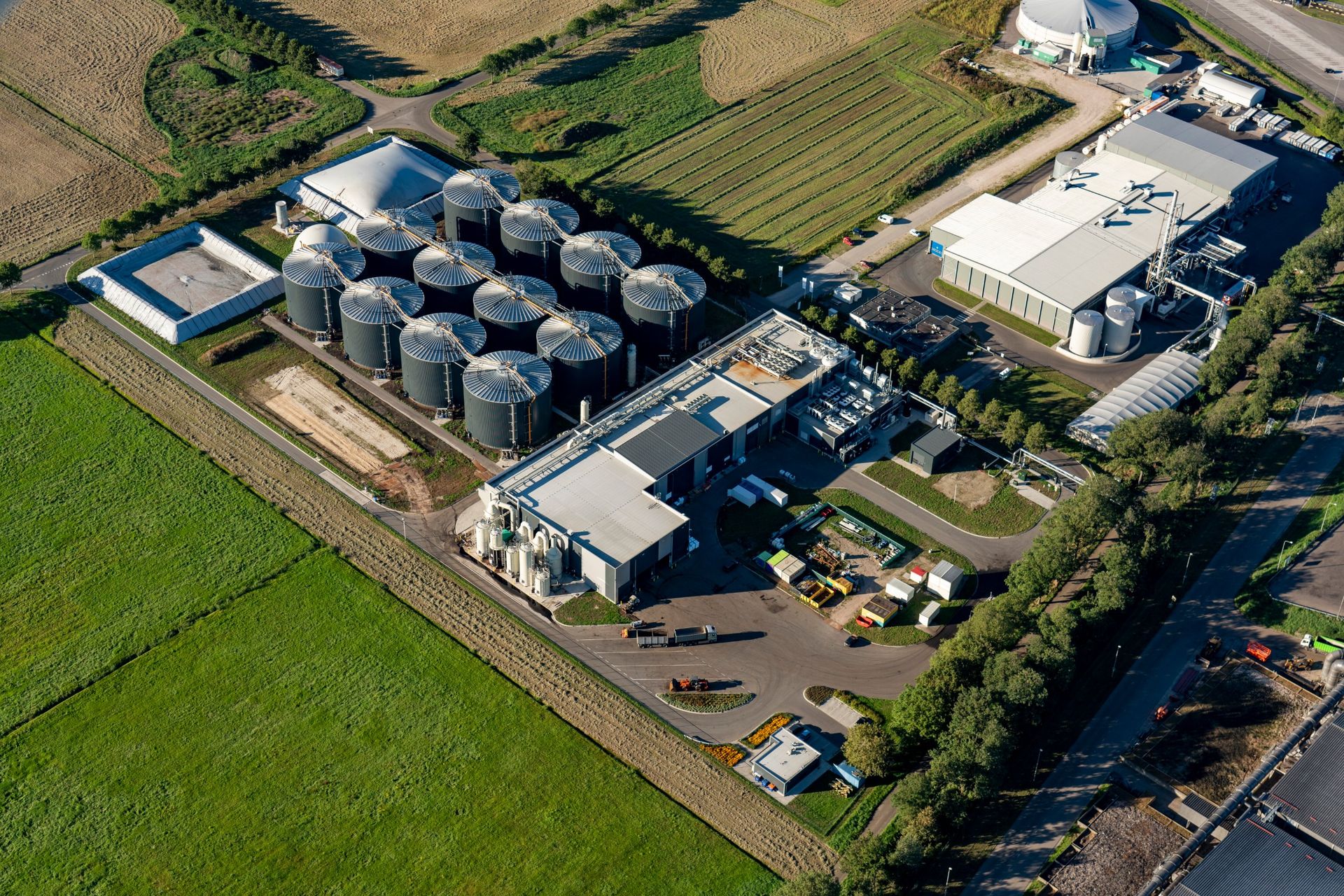
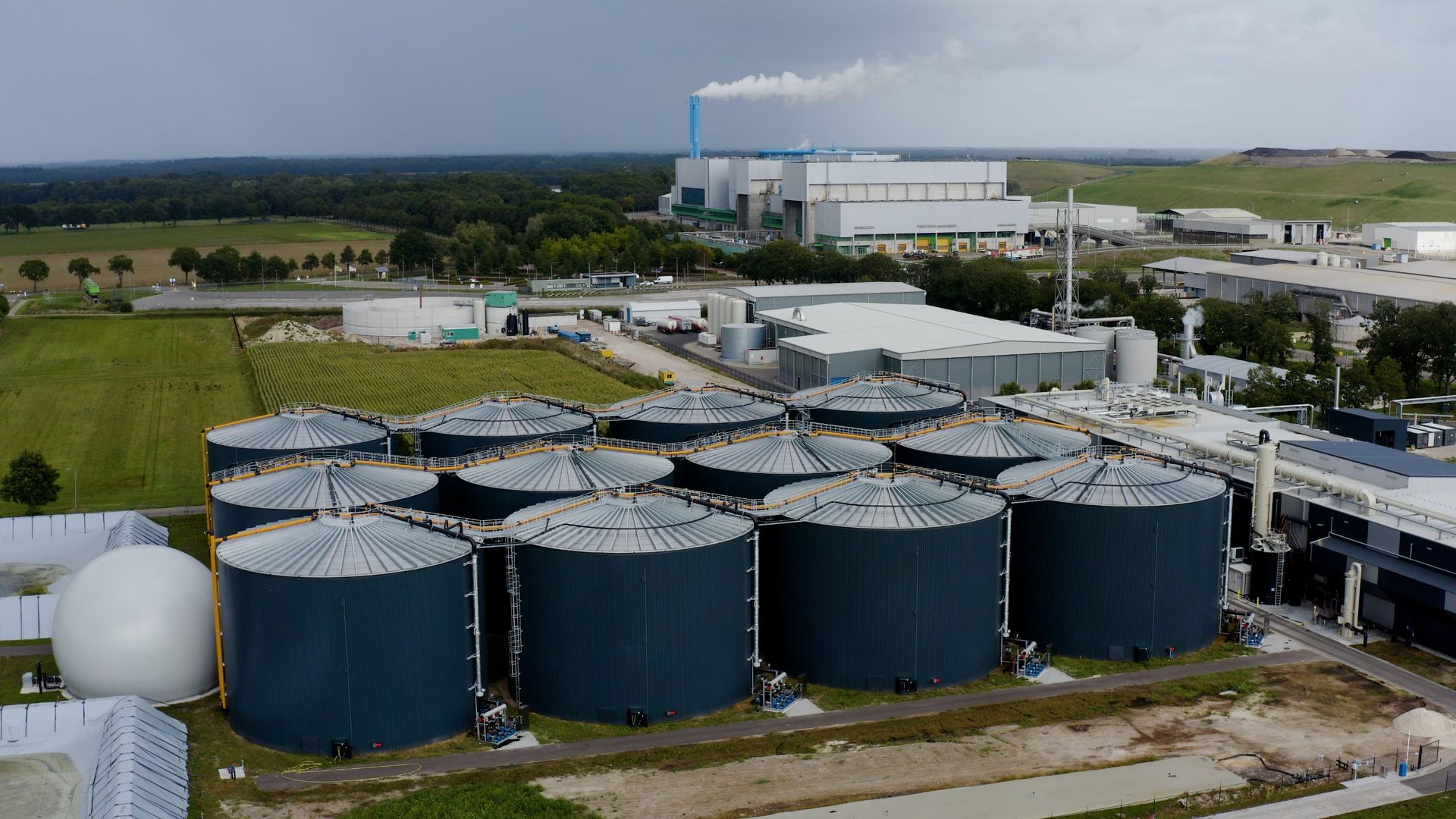
Wijster, the Netherlands.


Ready to rethink waste?
Let us build value from what others discard.