REFERENCE PROJECTS
Chicken and poultry manure digestion.
Our team engineered, built and operated Green Create Wijster, one of Europe’s largest biomethane plants, running on 100% chicken manure. Today we bring that experience to new chicken and poultry manure anaerobic digestion projects, from first feasibility study to day-to-day operations.
FLAGSHIP REFERENCE
Green Create Wijster, the Netherlands.
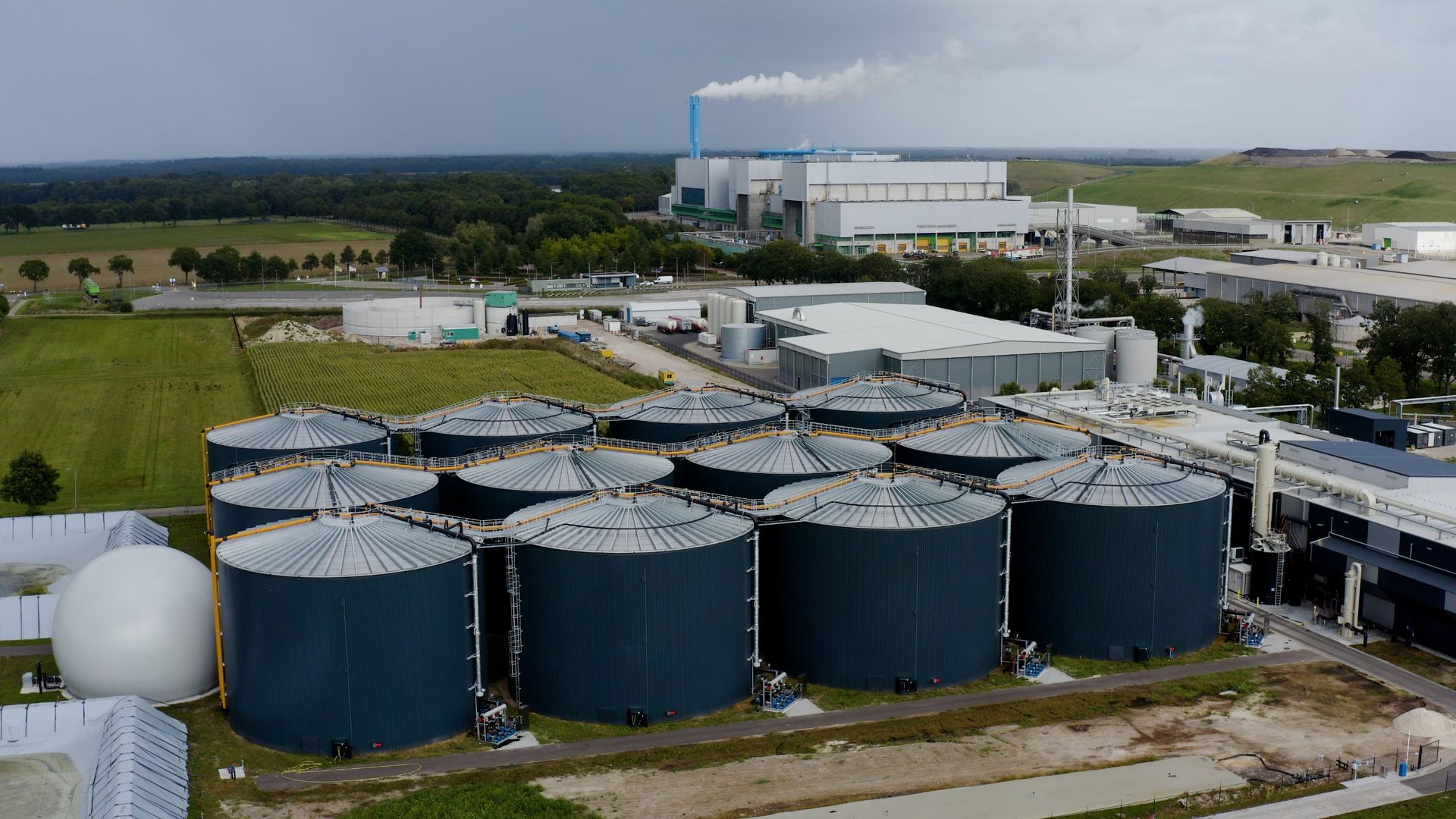
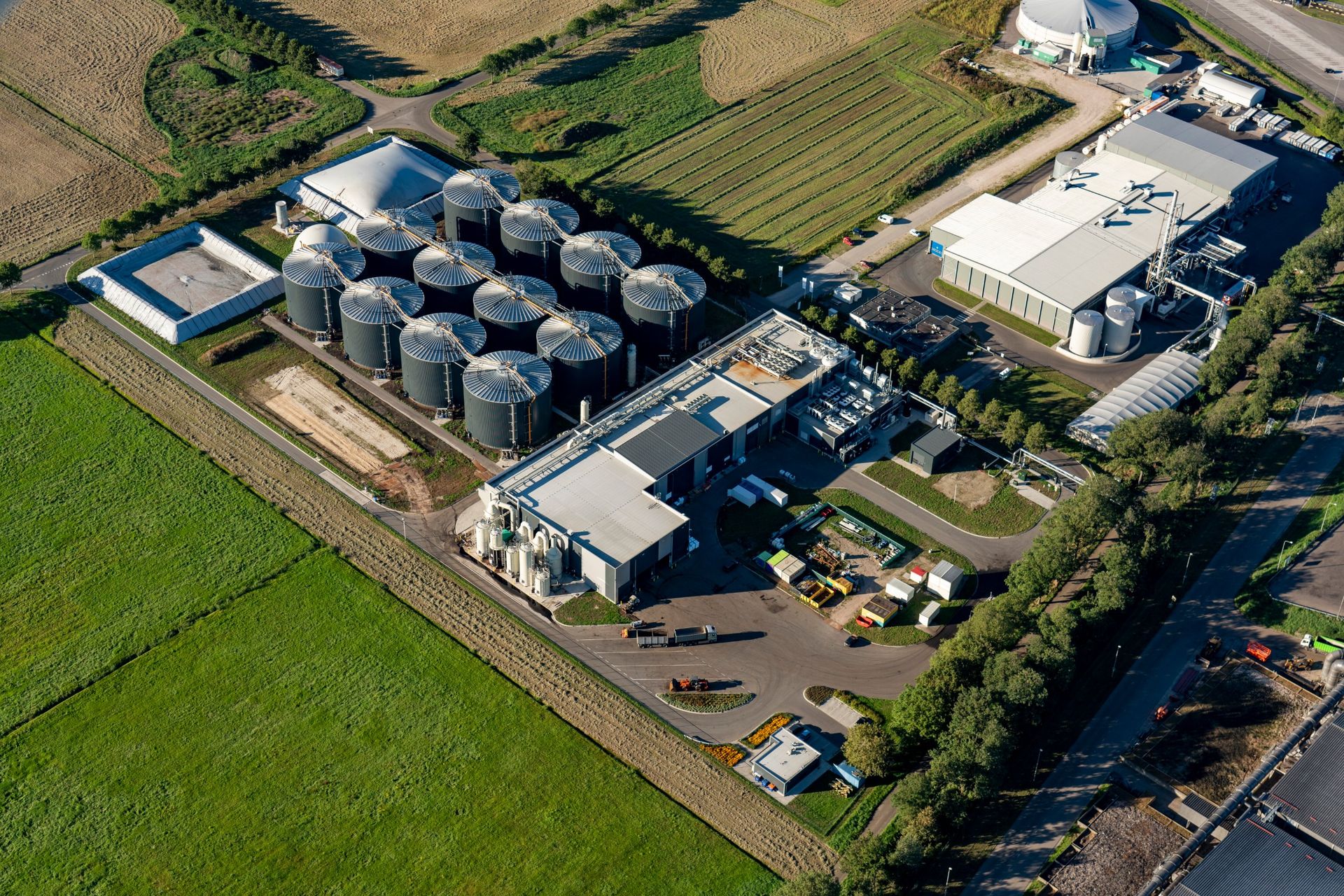
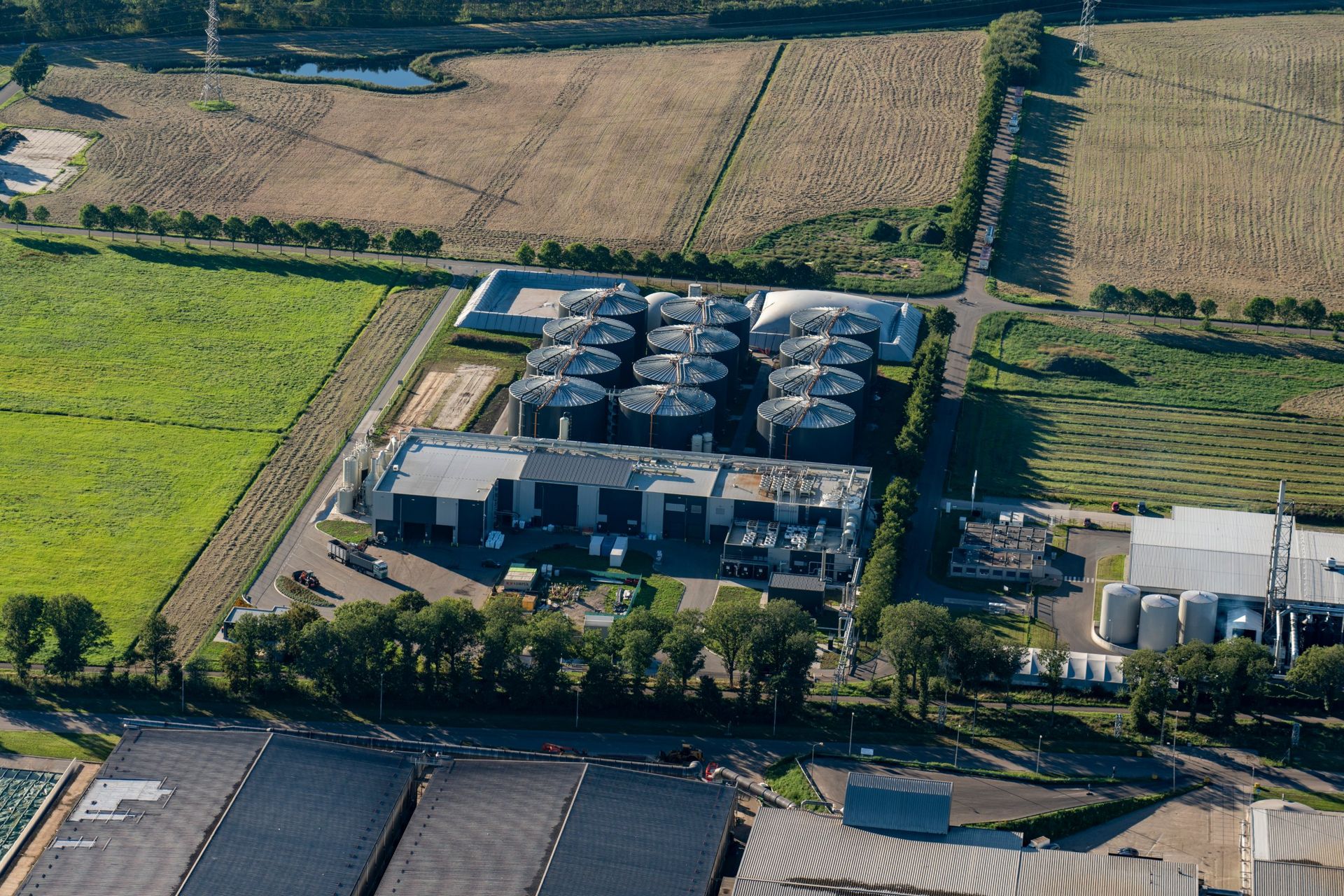
Wijster, in the Dutch province of Drenthe, is one of Europe’s largest biomethane production facilities and, to our knowledge, among the largest anaerobic digestion plants in the world running on 100% chicken manure. Manure from more than 100 local poultry farms is converted into green gas for the Dutch gas grid, alongside a dried organic fertiliser.
Cirvanta’s partners led the plant’s engineering, construction, commissioning and operation while at Green Create, taking it from concept to full-scale production in 2022. Cirvanta continues to support Wijster’s ongoing operations today with process and biological monitoring.
Scope Engineering / Construction / Commissioning / Operations / Ongoing process & biological monitoring
237 GWh
installed biomethane capacity per year
100%
chicken manure feedstock
100+
local poultry farms supplying manure
2,000+ t
ammonia recovered per year
POULTRY MANURE PROJECTS IN DEVELOPMENT
Bringing the Wijster experience to the United States.
Alongside Wijster, we are applying our poultry manure experience to new anaerobic digestion projects in the US, as process engineer and owner’s engineer.
Greenfield poultry manure digestion facility
United States of America
Cirvanta is supporting the development of a greenfield anaerobic digestion facility, engaged from feasibility through detailed design. We lead the process engineering scope, covering technology selection, process design and equipment specification, and act as owner’s engineer to protect the client’s interests through design development.
Scope FEL 1–3 (FEED) / Process Engineering / Owner’s Engineering
Red flag review, poultry manure digestion project
United States of America
A project developer asked Cirvanta for an independent red flag review of its FEL 2 engineering design and CAPEX estimate. Drawing on our Wijster experience, we identified a number of design and cost optimisation opportunities and are in discussions to join the project as owner’s engineer.
Scope Red flag review (FEL 2) / Owner’s Engineering (in discussion)
WHY POULTRY MANURE IS DIFFERENT
Why chicken manure is a demanding feedstock.
High nitrogen and ammonia
Poultry manure carries far more nitrogen than cattle or pig slurry. Without active ammonia management, free ammonia inhibits methane-forming bacteria and digestion stalls. We design for it from day one.
Grit, feathers and inerts
Sand, grit and feathers settle in tanks and wrap around pumps and mixers. Reception, pre-treatment and tank design must handle them without constant maintenance stops.
Valuable digestate
Nutrient-rich digestate can become a revenue stream rather than a disposal cost, through ammonia recovery, drying, pelletising and water treatment.
HOW WE SUPPORT POULTRY MANURE PROJECTS
From first study to steady operations.
Process Engineering (FEL 0–3)
Feasibility, process design and detailed engineering, covering feedstock logistics, ammonia management, biogas upgrading and digestate treatment.
Owner’s engineering
Independent technical oversight for developers and investors through design, procurement, construction and commissioning. We currently act in this role on several poultry manure projects, including projects at FEL 3.
Operations support
Process and biological monitoring, troubleshooting and performance optimisation for operating plants, as we provide for Wijster today.
SEE THE PLANT
Wijster from the air.
FREQUENTLY ASKED QUESTIONS
Chicken manure digestion, answered.
Can chicken manure be used for anaerobic digestion?
Yes. Chicken and other poultry manure is rich in organic matter and gives a high biogas yield. Its high nitrogen content means ammonia has to be actively managed, but with the right design a plant can run on 100% poultry manure, as Green Create Wijster does at full scale.
Why is chicken manure difficult to digest?
Two reasons. High nitrogen and ammonia levels inhibit the methane-forming bacteria, and sand, grit and feathers settle in tanks and wear pumps and mixers. A good design includes ammonia management, such as ammonia stripping, and robust feedstock reception and grit handling.
What happens to the digestate from chicken manure?
It can become a product rather than a disposal cost. At Wijster, ammonia stripping produces ammonium sulphate liquor and the solid digestate is dried and pelletised into fertiliser: about 25,000 tonnes of each a year.
How can Cirvanta help with a chicken manure digestion project?
We provide process engineering from feasibility to detailed design (FEL 0–3), owner’s engineering through construction and commissioning, operations support for running plants, and technical due diligence for investors.

Ready to rethink waste?
Let us build value from what others discard.